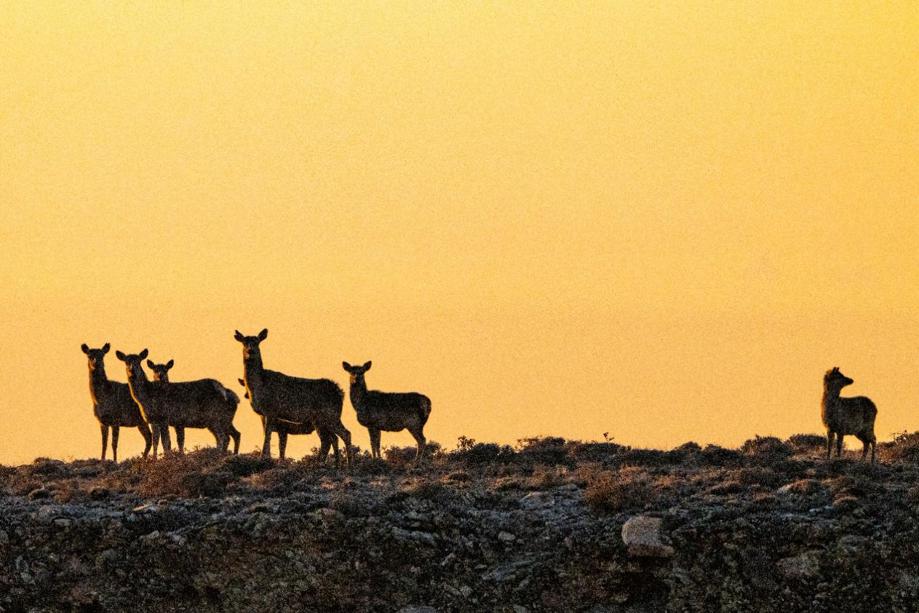
Helan Mountains
Introduction
The Helan Mountains, located in the Ningxia Hui autonomous region and Inner Mongolia autonomous region of China, are renowned for their rich natural, ecological, historical, and cultural significance. This mountain range serves as a natural ecological barrier, playing a crucial role in the environmental health of the Yellow River and broader Western China. The Helan Mountains are celebrated for their majestic beauty, with peaks often bathed in golden hues at sunrise, creating a breathtaking scene that attracts nature lovers and photographers alike. The range is home to a diverse array of wildlife, including deer and the recently reappeared snow leopard, thriving in a continuously improving ecological environment. Additionally, the Helan Mountains hold a prominent place in the wine industry, with their eastern foothills being recognized as the "Bordeaux of China," thanks to their favorable conditions for grape growing.
Geography
The Helan Mountains stretch approximately 200 kilometers from north to south, with an average width of 20 to 30 kilometers, forming a natural boundary between the Ningxia Hui Autonomous Region and the Alxa League of Inner Mongolia. The mountains are characterized by a rugged terrain that includes steep cliffs, deep valleys, and sparse vegetation at higher altitudes. The geography of the Helan Mountains provides a unique blend of natural habitats, from alpine meadows and forests to desert landscapes, contributing to its rich biodiversity.
The Helan Mountains' positioning also influences the climatic patterns of the region. The eastern slopes, facing the Ningxia Plain, benefit from a relatively wetter climate, while the western side faces arid desert conditions. This geographical diversity supports a wide range of flora and fauna, making the Helan Mountains a critical area for ecological research and conservation.
Ecology
Ecologically, the Helan Mountains are a hotspot of biodiversity, home to various plant and animal species adapted to its unique environments. The mountain range has undergone significant ecological restoration efforts, particularly after being designated a National Nature Reserve. These efforts have led to increased forest cover and the expansion of habitats for indigenous species.
The Helan Mountains are home to a variety of wildlife, including the blue sheep, whose population has surged from 16,000 to approximately 50,000 due to conservation efforts. The reappearance of the snow leopard, once thought extinct in this region, marks a significant triumph in wildlife preservation. The mountain's flora includes a mix of deciduous and evergreen species, adapted to the varying climates across different altitudes.
The presence of large ungulate populations, such as deer herds, is indicative of the improved ecological conditions. These animals play a crucial role in the ecosystem, supporting the food web and contributing to the mountain's biodiversity. The ongoing ecological improvement initiatives have not only enhanced the natural habitat but also bolstered the region's ecological security, which is vital for the surrounding human and natural communities.
Historical Significance
Cultural Heritage
The Helan Mountains are steeped in cultural history, serving as a repository of human expression and artistic heritage. They are particularly famous for their rock carvings, a testament to the rich cultural tapestry that the region has hosted over millennia. These carvings offer invaluable insights into the lives, beliefs, and practices of ancient communities.
The rock art in the Helan Mountains is a treasure trove of ancient knowledge, with carvings dating back between 10,000 and 3,000 years. These motifs include depictions of animals, plants, human figures, and spiritual symbols, providing a vivid picture of the life and rituals of prehistoric societies. The engravings are regarded as a form of prehistoric communication, akin to an "encyclopedia" of ancient life before the advent of written language.
The significance of the Helan Mountains' rock art extends beyond local culture, offering a glimpse into the universal human experience. The motifs reflect a shared language of the Stone Age, with patterns and symbols bearing remarkable similarity to those found on other continents. The presence of rare carvings, such as the iconic sun god petroglyph, underscores the spiritual and cultural connections that transcend geographical boundaries.
Ancient Sites and Artifacts
In addition to rock art, the Helan Mountains are home to significant archaeological sites, including the Xixia Imperial Tombs. These mausoleums are the royal burial sites of the Xixia Dynasty (1038-1227), representing the Tangut civilization. Nestled at the eastern foot of the Helan Mountains, the mausoleums encompass nine imperial tombs and numerous subordinate tombs, showcasing the grandeur and sophistication of the Tangut architectural style.
The Xixia Imperial Tombs are among the best-preserved examples of Tangut cultural heritage, featuring intricate layouts, tiered tomb walls, and a variety of burial artifacts. This ancient site reflects the integration of agrarian and nomadic civilizations, offering insights into the multicultural interactions that shaped the region's history.
The Helan Mountains' archaeological significance is further enriched by the discovery of artifacts such as inscriptions and stone statues, which reveal the historical narratives and beliefs of past societies. These ancient sites are not only of archaeological interest but also contribute to the cultural and historical identity of the region.
Tourism
The Helan Mountains attract tourists from around the world, drawn by the region's natural beauty, rich cultural heritage, and outdoor recreational opportunities. The mountains offer a range of activities for adventure seekers, including hiking, mountain biking, skiing, and rock climbing. The area's diverse landscapes, from desert vistas to lush forests, provide a stunning backdrop for outdoor activities.
The region is also known for its camping sites, such as the Helan Mountains Stargazing Campsite, where visitors can enjoy clear night skies and low light pollution, ideal for stargazing. Other attractions include the Xixia Imperial Tombs, a UNESCO World Heritage site, and the Helanshan Rock Art Relics Park, where visitors can explore ancient rock carvings.
The Helan Mountains' eastern foothills are a burgeoning hub for wine tourism, with vineyards producing some of China's finest wines. The area's favorable climate and soil conditions have earned it a reputation as the "Bordeaux of China," attracting wine enthusiasts and contributing to the local economy through tourism and job creation.
The integration of cultural heritage and natural landscapes makes the Helan Mountains a unique tourist destination, offering a blend of history, culture, and adventure. As more people discover the region's offerings, tourism is expected to continue growing, providing economic benefits and promoting cultural exchange.








